
The Lifelong Impact of Childhood Dental Fear (And How We Can Fix It Together)
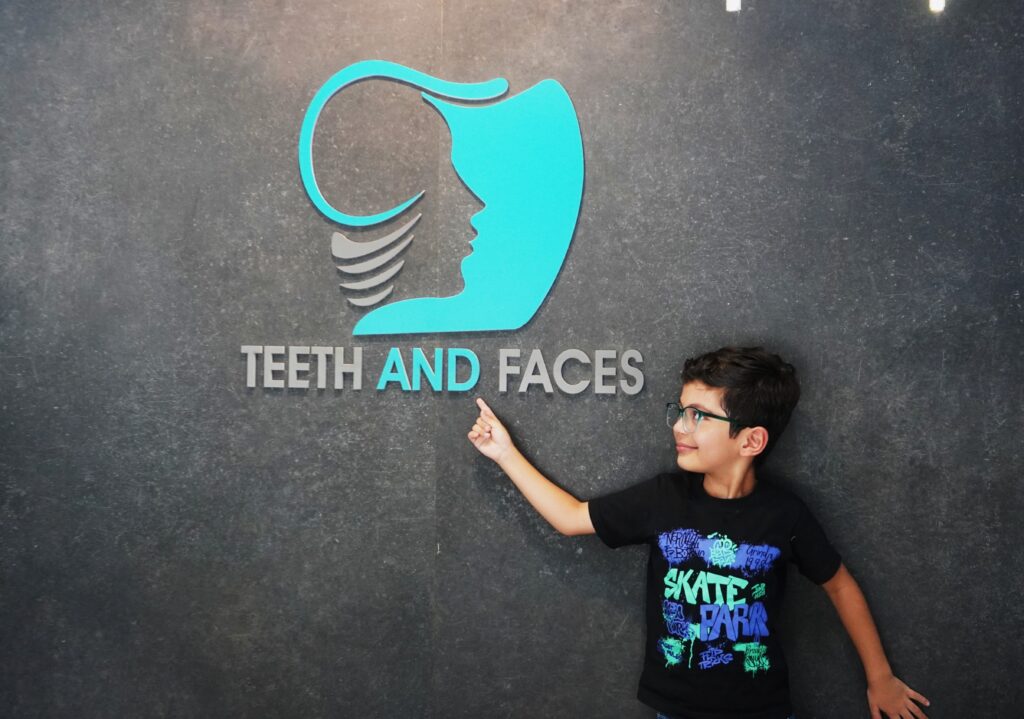
For many parents, getting a child to the dental clinic can feel like an uphill battle. Tears, resistance, and anxiety are incredibly common reactions. While it might feel like a phase they will simply grow out of, childhood dental fear (odontophobia) has a profound, long-term impact on oral health that stretches far into adulthood.
As dental professionals, we look at early visits not just as a way to check for cavities, but as a critical window to shape a person’s lifelong relationship with healthcare.
The Generational Cycle of Dental Avoidance
When a child experiences unmanaged dental anxiety, it creates a dangerous behavioral pattern known as the “vicious cycle of dental fear.”
The Avoidance Phase: A fearful child becomes an adult who delays or skips routine preventive care like cleanings and checkups.
The Problem Escalates: Minor issues, like a small patch of decay, go unnoticed and untreated, developing into severe infections or structurally compromised teeth.
The Emergency Visit: The individual only seeks help when the pain becomes unbearable. Because they waited, the necessary treatment is often more complex or invasive (like root canals or extractions).
Fear Reinforced: The emergency treatment confirms their original fear, ensuring they will avoid the dentist even longer next time.
Studies show that adults with severe dental anxiety frequently suffer from poor oral health, lower self-esteem, and a higher risk of systemic health issues linked to untreated chronic oral infections.
Practical Strategies to Manage Child Dental Fear
Breaking or preventing this cycle starts early. Here is how both parents and pediatric dental teams can make clinic visits a positive experience:
Start Early: Bring your child for their first visit by their first birthday or when their first tooth appears. Early visits are quick, painless, and purely focused on getting them used to the environment.
Watch Your Vocabulary: Avoid using triggering words like “pain,” “shot,” “needle,” or “hurt.” Instead, use child-friendly framing. We like to tell children we are “counting their teeth” or “giving them a shiny wash.”
Never Use the Dentist as a Threat: Avoid phrases like, “If you don’t brush, the dentist will have to pull your tooth.” This frames care as a punishment rather than a healthy habit.
The “Tell-Show-Do” Method: This is our favorite technique in the clinic. First, we tell the child what we are going to do in simple words. Then, we show them on a model or on their finger (like letting them feel the air-water syringe brush against their skin). Only when they are comfortable do we do the procedure.
A Foundation for a Lifetime
Our primary goal with young patients is simple: we want them to leave with a smile. By investing a little extra time, patience, and empathy into managing their comfort today, we ensure they grow into independent adults who confidently prioritize their oral hygiene and schedule regular checkups without fear.
Is your child due for a checkup? We specialize in creating a gentle, anxiety-free experience tailored specifically to your child’s pace. Get in touch with us to schedule a relaxed introductory visit.